
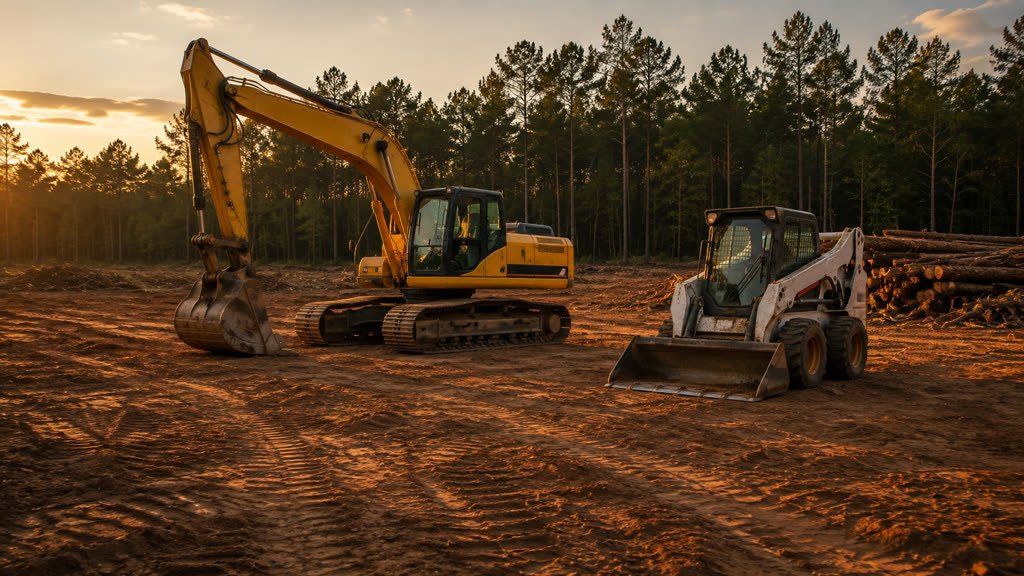
Land preparation runs from about $300 for a perc test to $25,000 for a septic system, a well and a driveway on a raw rural parcel. The table below is every job we have researched, with the range and where it came from.
Contractors quote confidently and landowners have nothing to check the number against. That is the entire reason these pages exist.
2026 cost ranges at a glance
Every row links to the guide that shows its working. Ranges are national; what moves your number is soil, access, haul distance and your county.
| Job | Range | Typical | Basis |
|---|---|---|---|
| Septic system cost | $3,591 – $12,463 per system, installed | $8,023 average | Angi 2026 national range; HomeAdvisor average |
| French drain cost | $10 – $100 per linear foot | $30 – $90 to footing | by drain type — see the guide |
| Drain field replacement cost | $5,000 – $20,000 per drain field | about $10,000 | SepticTankHub 2026 |
| Perc test cost | $300 – $1,900 per test | $1,000 – $1,300 | Angi 2026; SepticTankHub 2026 |
| Well drilling cost | $25 – $100 per foot drilled | $8,000 – $15,000 minimum | by ground type; driller minimum charge |
| Gravel driveway cost | $1 – $5 per square foot | $2 – $5 installed | DIY low, contractor-installed high |
| Land survey cost | $400 – $2,500 per survey | $400 – $900 small lot | boundary survey, lot to five rural acres |
| Excavation cost | $2.50 – $15 per cubic yard | $100 – $300 an hour | bulk cuts by yard; hourly for small jobs |
| Land clearing cost | $1,000 – $4,000+ per acre | $1,800 – $4,000 mulched | by method and vegetation density |
These are researched ranges, not quotes. Reviewed August 2026. See each guide for the source behind its figure and the conditions that move it.
Read the range, not the average
A single national average is almost always wrong for one specific lot, and on this kind of work it is wrong by thousands rather than percentages. A septic system that costs $8,000 on sandy loam can cost $20,000 four hundred feet away where the soil will not perc and the county requires an aerobic unit.
So we publish ranges and spend the length of each guide explaining what moves them — soil, slope, access, haul distance, water table, and the county rules that decide what you are even allowed to install. The range is the useful part. The average is the part that gets people's budgets wrong.
The order these jobs happen in
On raw land the sequence is fixed, and it matters for budgeting because each step can change what the next one costs. Survey and perc test come first, because they decide what is possible. Clearing and grading follow. Then the septic system and the well, then the driveway, then drainage once you can see where water actually goes.
Skipping the perc test to save $1,000 is the single most expensive shortcut on this list: a lot that will not perc changes your septic system from a $8,000 job to a $20,000 one, and you would rather learn that before closing than after.
How we price things
If a page cannot state where a number came from, the number does not go on the page. That rule costs us pages, and it is the only thing that makes a cost site worth reading.
Figures come from county permit fee schedules, state regulations, licensing boards, USDA and extension research, published contractor rate cards, and quotes shared with us. Commercial sources are named and their reliability stated rather than laundered into "experts say". Where good sources disagree, we show both numbers instead of averaging the disagreement away.
The full standard is in the editorial policy, and the people accountable for it are on the authors and editors page.
All cost guides
-
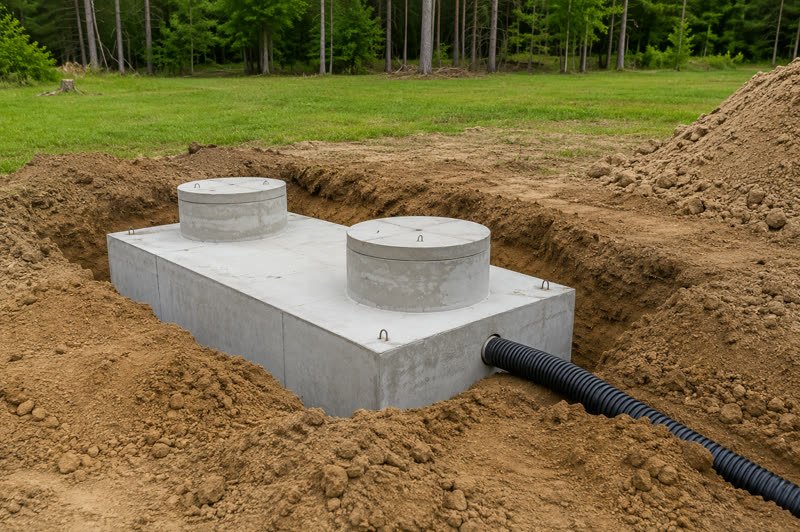
Septic system cost
New installs, replacements, conventional vs aerobic vs mound, by soil type.
-
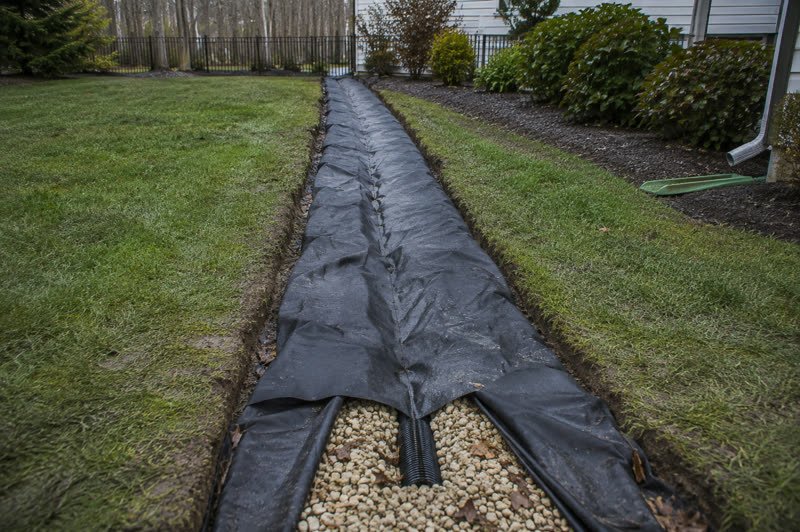
French drain cost
Interior versus exterior, and why quotes vary so wildly.
-
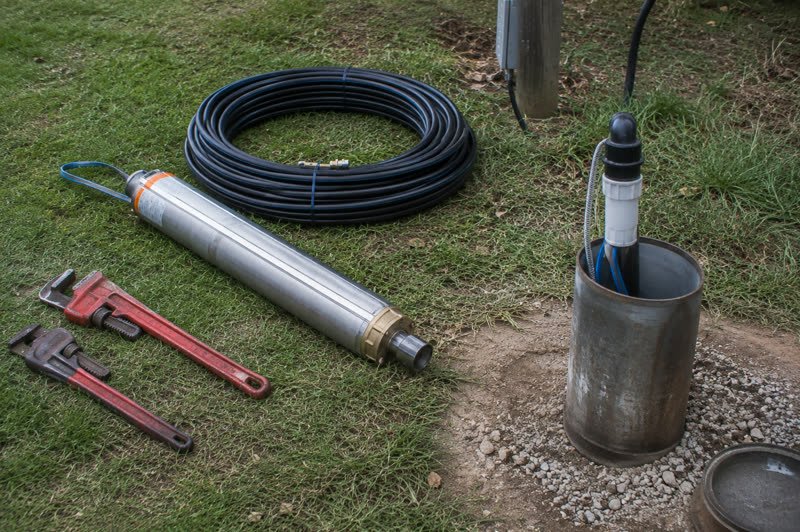
Well pump replacement cost
Submersible and jet pumps, and what the labor really costs.
-
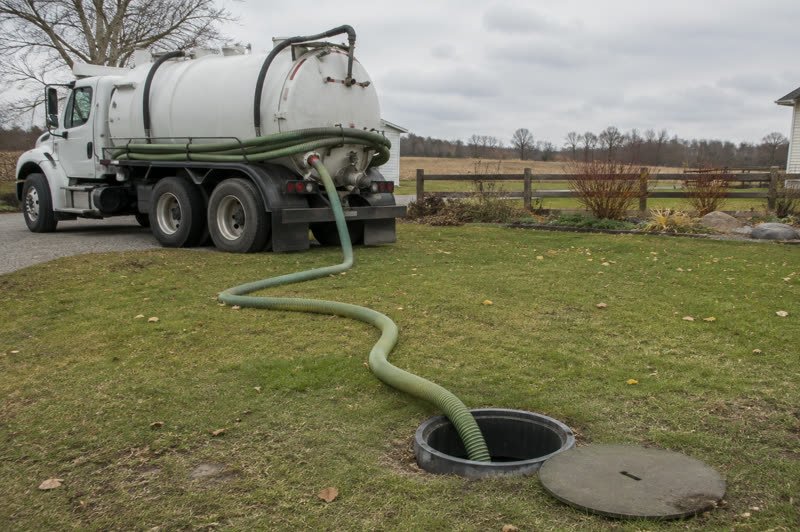
Septic tank pumping cost
What a pump-out costs and how often you actually need one.
-
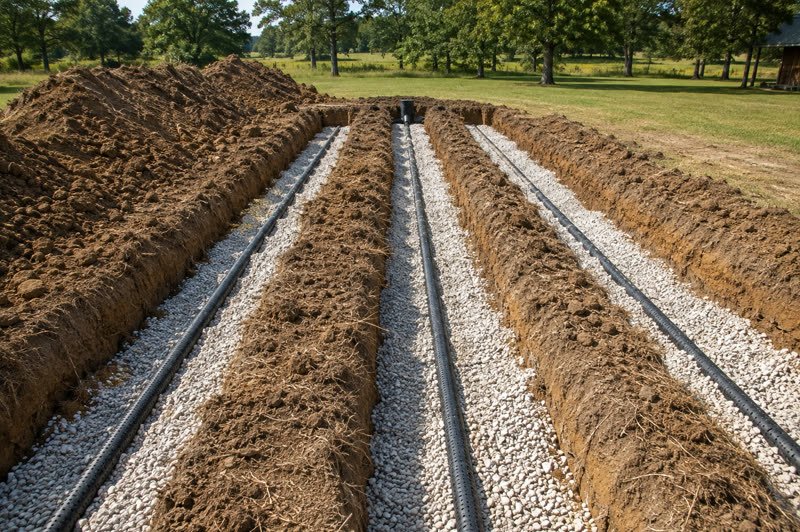
Drain field replacement cost
When the field fails, this is the number nobody is ready for.
-
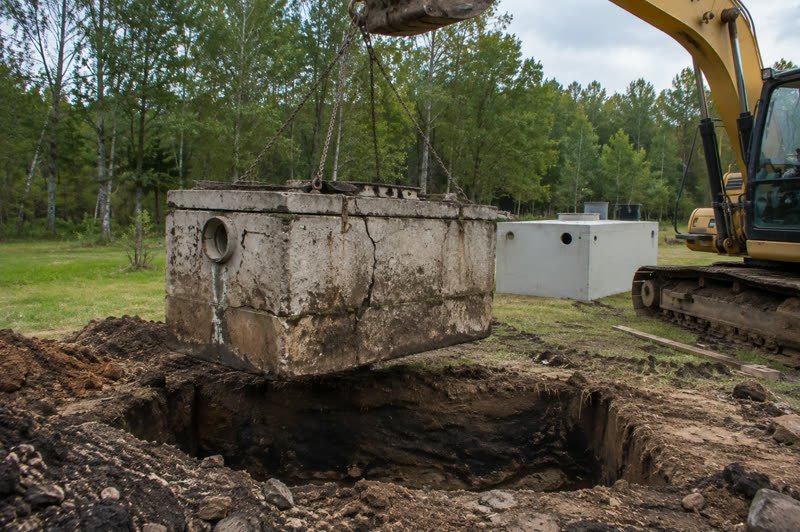
Septic tank replacement cost
Replacing an existing system versus installing a new one.
-
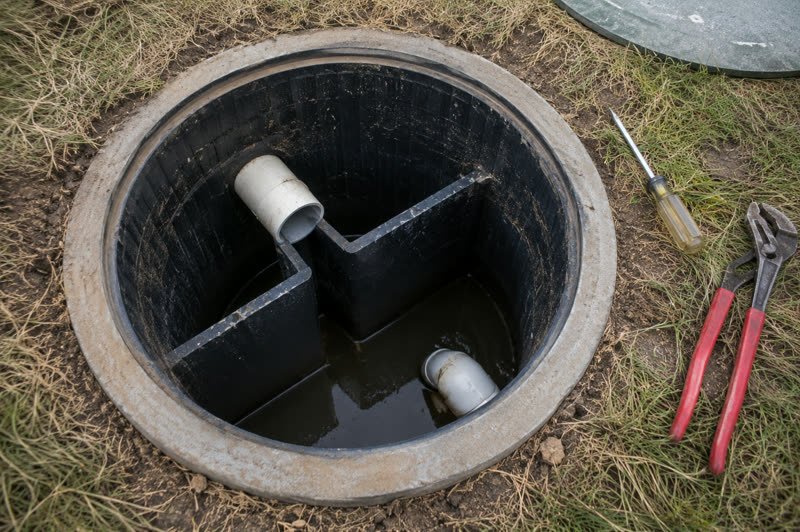
Septic tank repair cost
Pumps, baffles, distribution boxes and what each one runs.
-
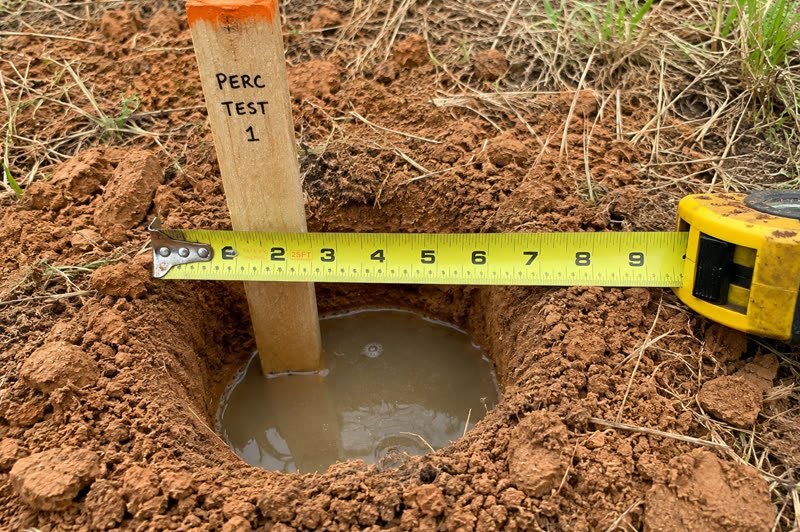
Perc test cost
The soil test that decides whether you can build at all.
-
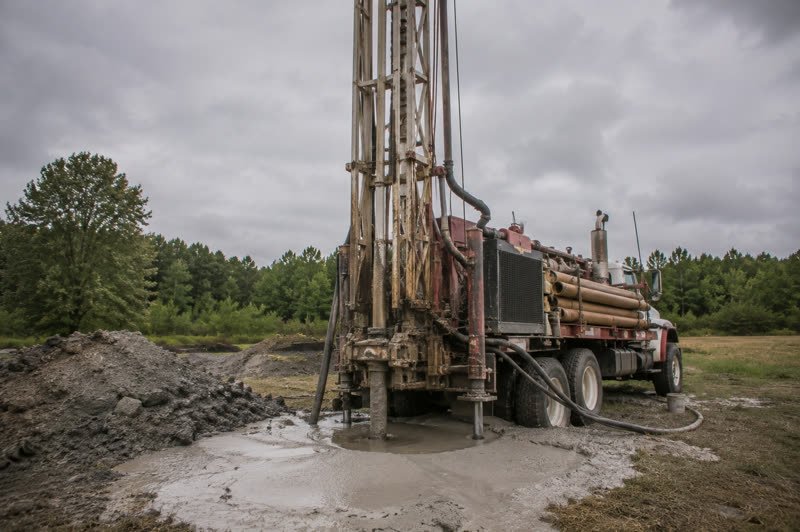
Well drilling cost
Per-foot pricing, depth ranges and what the pump adds.
-
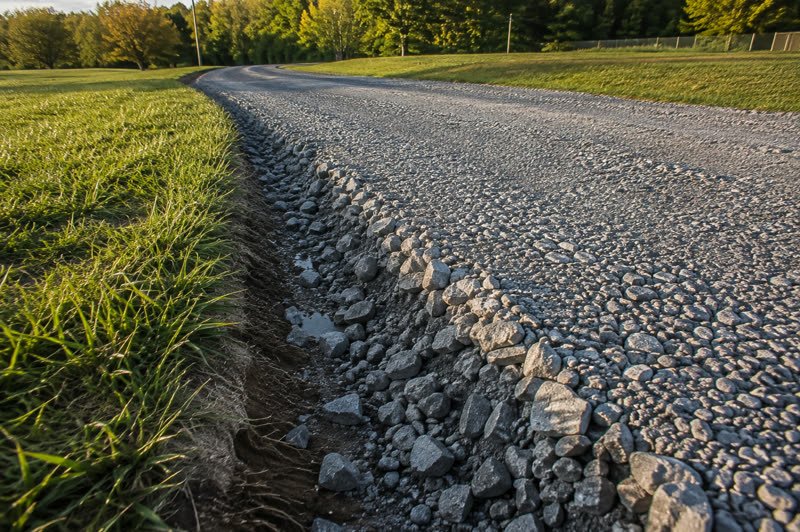
Gravel driveway cost
Per foot, per ton, and how much base you actually need.
-
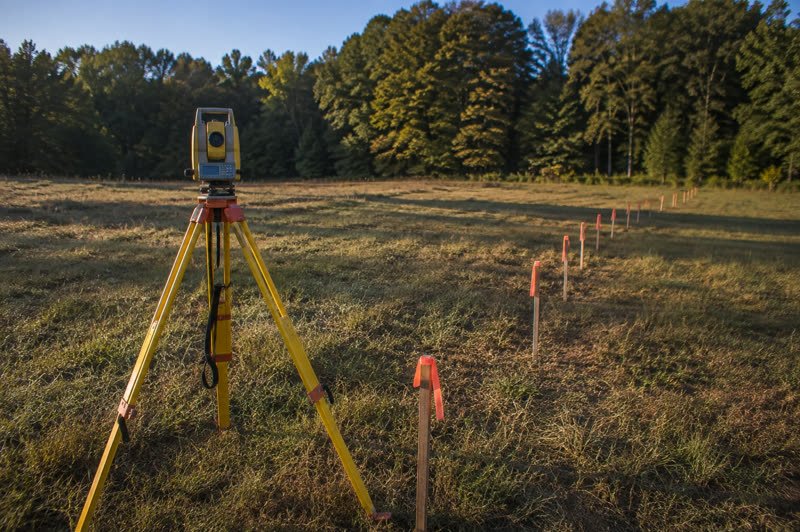
Land survey cost
Boundary surveys, plats, and when a lender demands one.
-
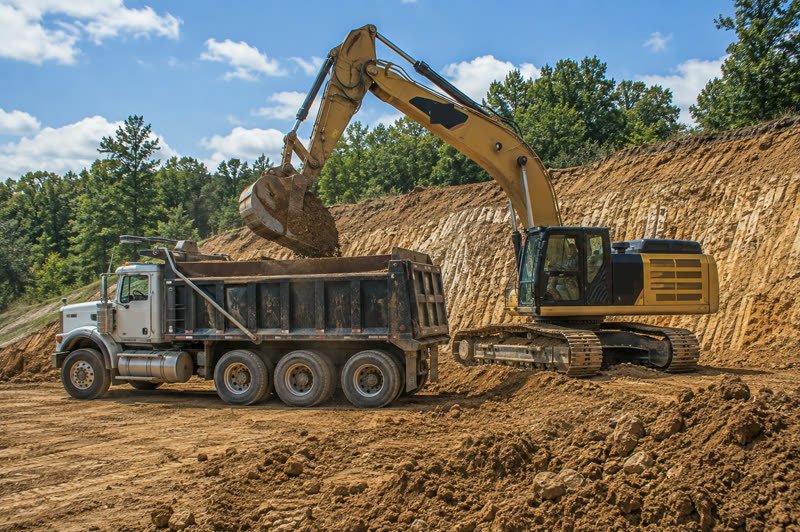
Excavation cost
Per hour, per cubic yard, and what moves a bid.
-
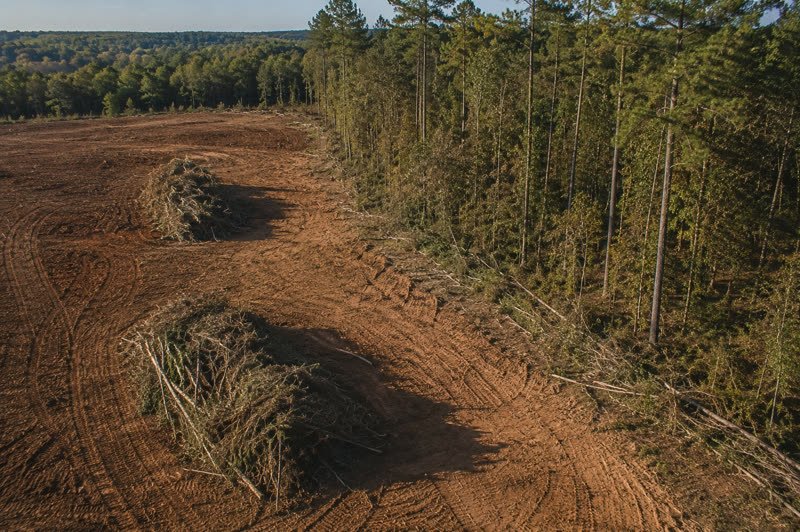
Land clearing cost
By acre, by vegetation density, by clearing method.
Work out your own numbers
Every calculator on this site runs server-side against the same sourced rates as the guides, so you can put your own acreage, depth or square footage in. Start with the calculators, then read the guide behind whichever one you used — the guide is where the assumptions are written down.
Frequently asked questions
What does it cost to make raw land buildable?
Budget $25,000 to $75,000 for a typical rural parcel that needs everything, and understand that the spread is real rather than hedging. Clearing runs $1,000 to $4,000 an acre, a septic system $3,591 to $12,463 installed, a drilled well $8,000 to $15,000 as a minimum charge, and a gravel driveway $2 to $5 a square foot. What decides where you land inside that range is soil, slope, access and your county — not the size of the lot.
Why are contractor quotes for the same job so different?
Because they are usually not the same job. On land work the biggest cost drivers are invisible in a written scope: how far spoil has to be hauled, whether a full-size truck can reach the site, what the soil does when it is wet, and whether debris removal is in the bid or excluded from it. Two quotes $8,000 apart often differ on debris and haul alone. Ask each bidder what they have excluded — that question explains most of the spread.
Where do the figures on this site come from?
County permit fee schedules, state regulations and licensing boards, USDA and university extension research, published contractor rate cards, and quotes shared with us by landowners and contractors. Each guide names the sources it relies on, next to the number rather than at the bottom. If we cannot say what a figure is based on, we do not publish the figure.
How current are these prices?
Every cost guide carries a visible review date and is re-checked at least every six months. Where a figure comes from a dated source — a 2026 industry survey, a county fee schedule adopted in a particular year — the guide says so, because a 2019 number presented as current is the most common failure on cost sites.
Should I budget from these ranges?
Use them to judge a quote, not to replace one. A range tells you whether the number a contractor gave you is sane; only someone who has walked your land can tell you what your job costs. The gap between a national range and your invoice is soil, access and county rules, which is what these guides spend their length explaining.