
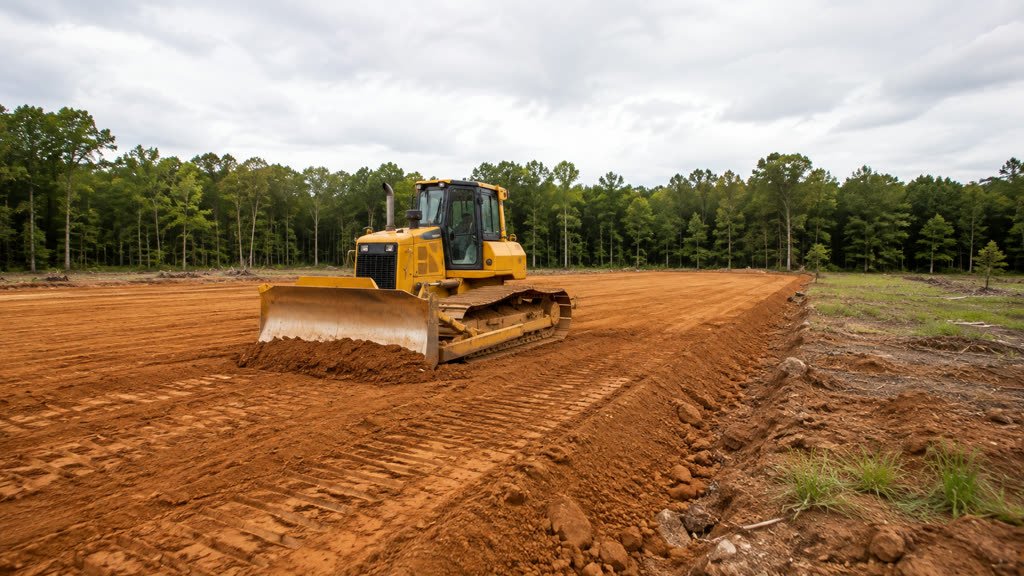
The order matters more than most people expect. Grading before the septic is sited, or laying a driveway before the heavy machinery has finished, is how a land budget quietly doubles.
Below is every service in the sequence you will actually buy them, with what each one involves and what it costs.
In the order you will buy them
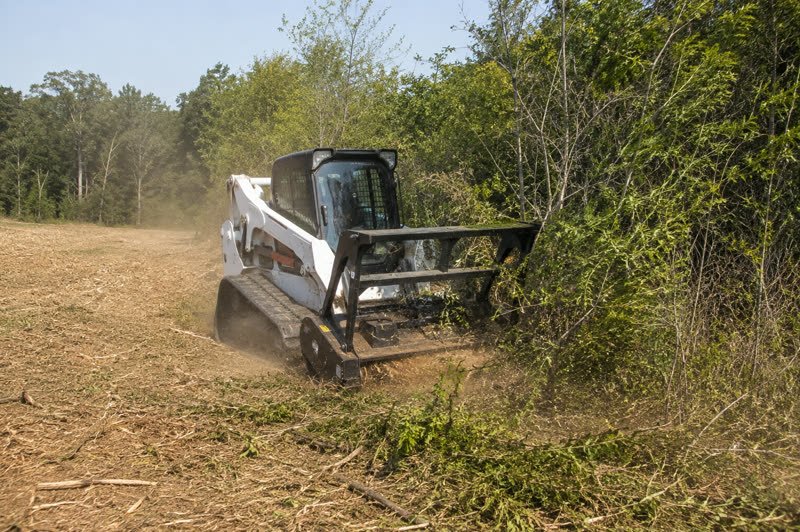
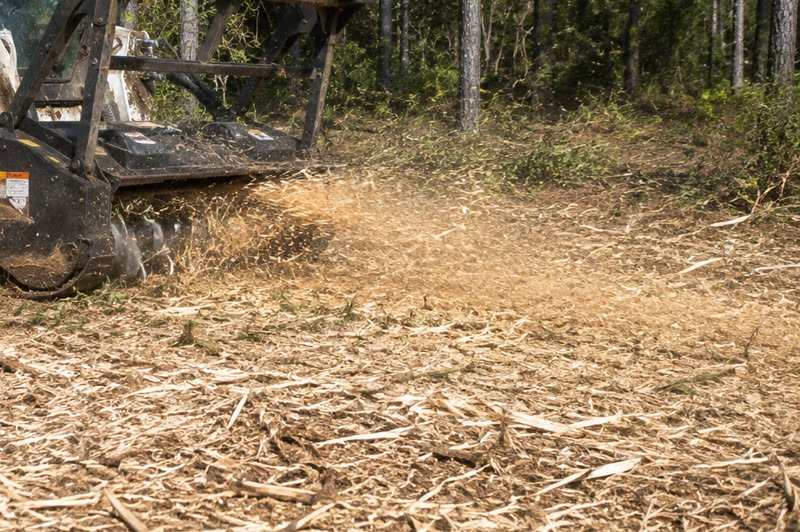
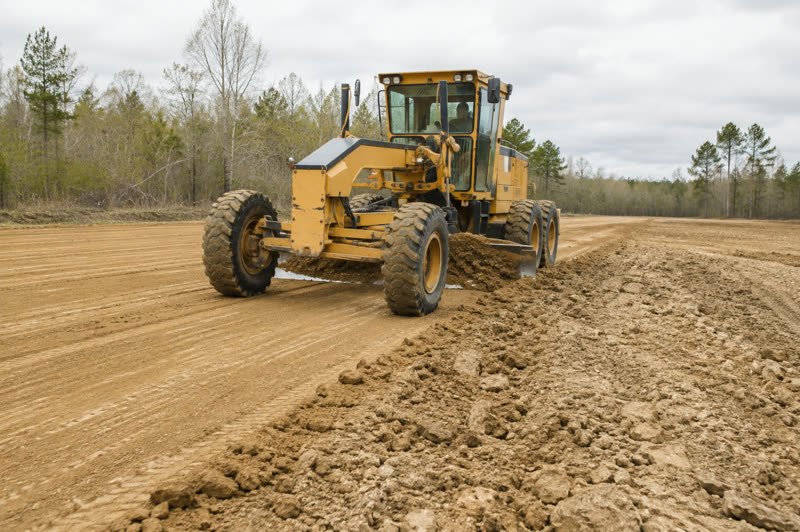
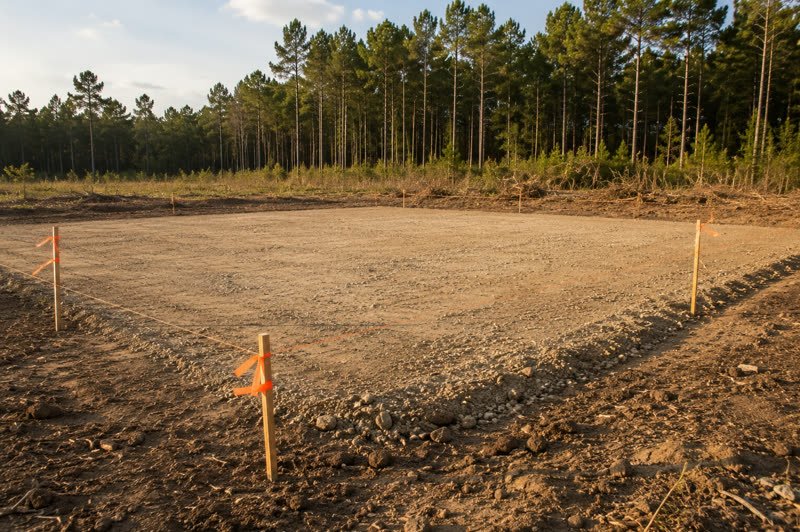
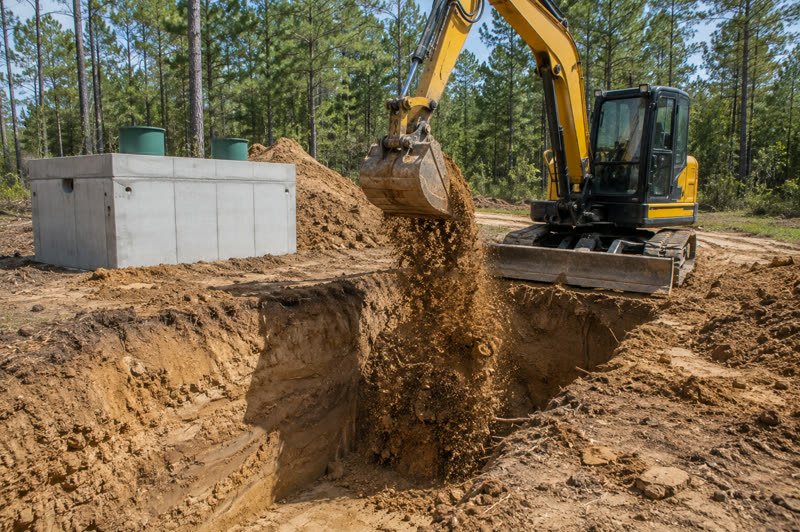
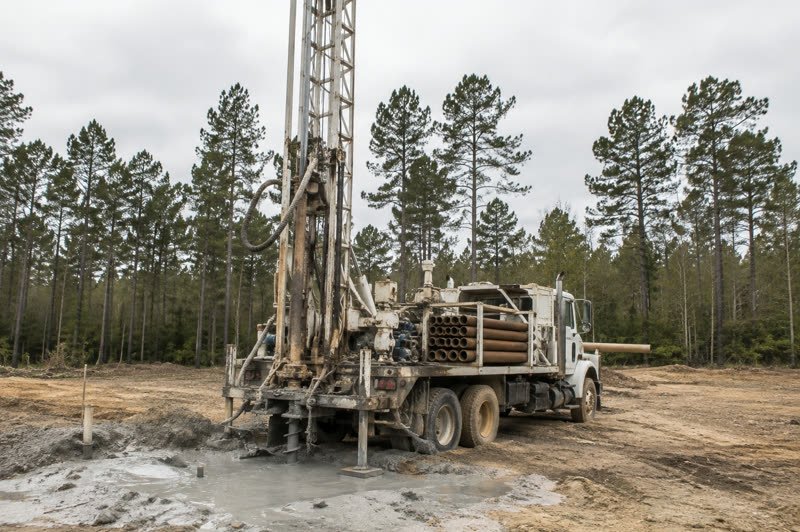
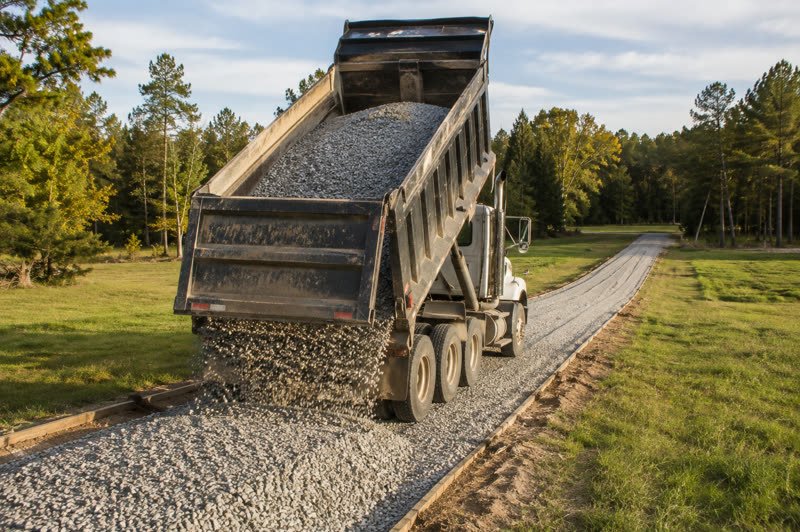
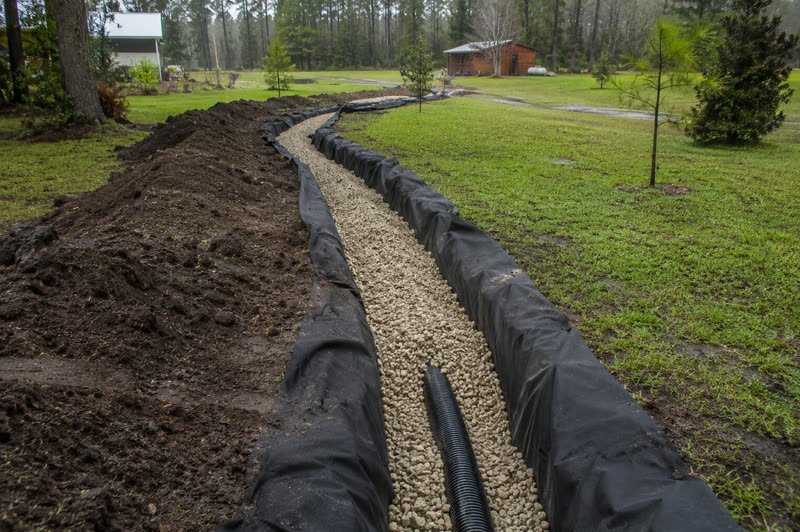
Why the sequence costs you money
Each step changes the ground the next one works on, and undoing that is what gets expensive. Grade a site before the perc test comes back and you may have levelled the only part of the lot where a drain field was allowed. Lay the gravel before the excavator has finished and you will pay to have it re-laid after tracked machines have chewed through it.
The other reason order matters is that the early steps are cheap and the late ones are not. A perc test is $300 to $1,900. Discovering after you have cleared and graded that the soil will not take a conventional system is a five-figure discovery. Buy the information first.
Which of these are licensed trades
Septic installation and well drilling are state-licensed in every state we cover, and that licence is checkable in a free public register — we link all of them in the footer of every page. Clearing, grading and driveway work are generally not separately licensed, so for those the things worth verifying are liability insurance and workers compensation cover.
This matters more than it sounds. An unpermitted or unlicensed septic install is the one job on this list a county can make you dig up and do again.
Repair and maintenance
Work that comes later, once something is already in the ground — and the category where quotes vary most wildly, because the diagnosis and the fix are being priced together.
Before you call anyone
Know the number first. Our cost guides give you a sourced range for every service above, the calculators let you run your own acreage or depth, and the buyer guides explain how each system works before anyone starts quoting you on one.
When you are ready, tell us about the job and we will pass it to licensed contractors working in your county.
Frequently asked questions
What order should land preparation happen in?
Survey and perc test first, because they decide what is possible at all. Then clearing, then rough grading. Septic and well next, sited where the soil test allows. Driveway after the heavy machines have finished with the site. Drainage last, once you can see where water actually runs. The two expensive mistakes are grading before the septic is sited, and laying a driveway before the excavators are done.
Can one contractor do all of it?
Rarely, and you should be sceptical of anyone who says yes to everything. Septic installation and well drilling are separately state-licensed trades in most states. Clearing, grading and driveway work often sit with one excavation outfit. Expect two or three companies on a full raw-land build, and check each one against the state license register.
Do I need permits for any of this?
Almost certainly. Septic systems need a county permit essentially everywhere, wells are permitted in most states, and clearing or grading one acre or more triggers a federal stormwater requirement under the Clean Water Act. Counties add their own floodplain, tree and driveway-culvert rules on top. Ask each contractor in writing who is pulling which permit.
How do I check a contractor is licensed?
Every state we cover publishes a free online license register, and we link all of them in the footer of every page. Check the license before you pay a deposit, not after. Septic and well work are the two trades where an unlicensed install can force you to dig it up and start again.