
Most people buying rural land have never dealt with a perc test, a well yield figure or a county health department before. These guides assume exactly that and start from the beginning.
They explain how the systems work and what the rules are. The cost guides handle what each one costs.
Start here if you have just bought land
The single most useful thing to understand first is the soil, because it decides almost everything downstream. Whether your land percolates determines what septic system you are allowed to install, and that one answer swings the biggest line item in a land budget by more than $10,000.
So the sequence we would read these in is: what a perc test is, then how septic systems differ, then wells, then drainage. Each guide stands alone if you would rather jump straight to the thing you are dealing with today.
All guides
-
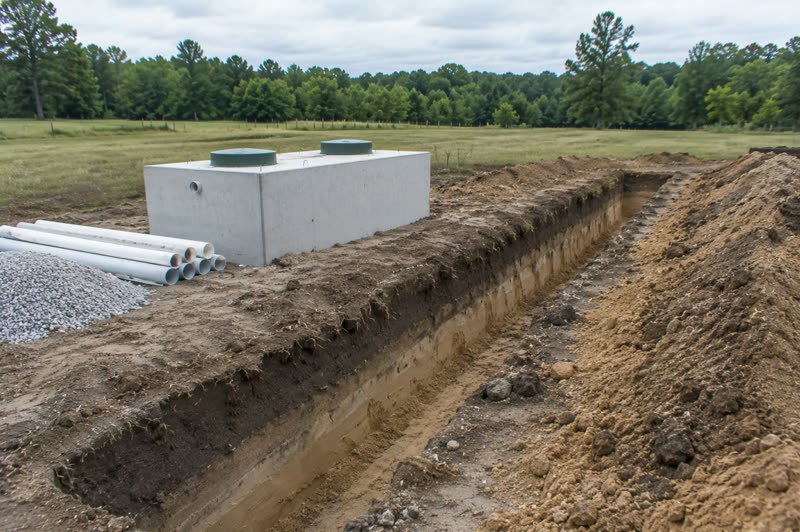
Septic system types
Conventional, chamber, aerobic, mound and engineered, compared.
-
Septic tank pumping and maintenance
The routine between pump-outs, and what never goes down the drain.
-
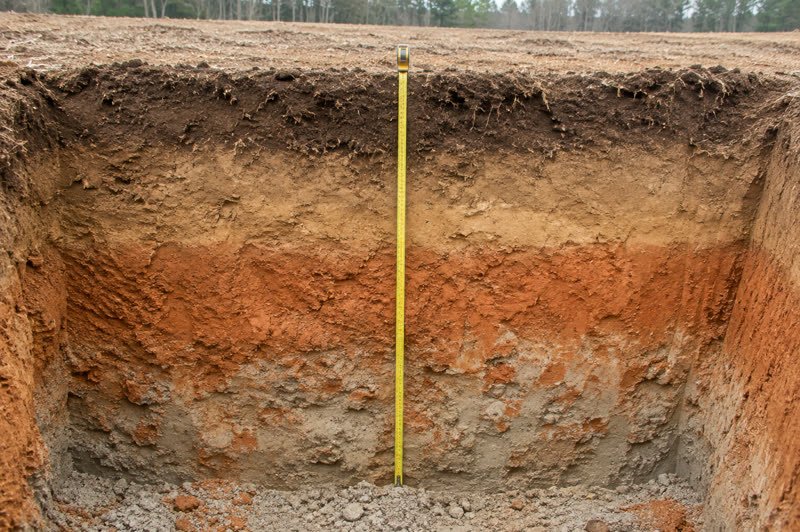
What is a perc test?
The test that decides whether your land can take a septic system.
-
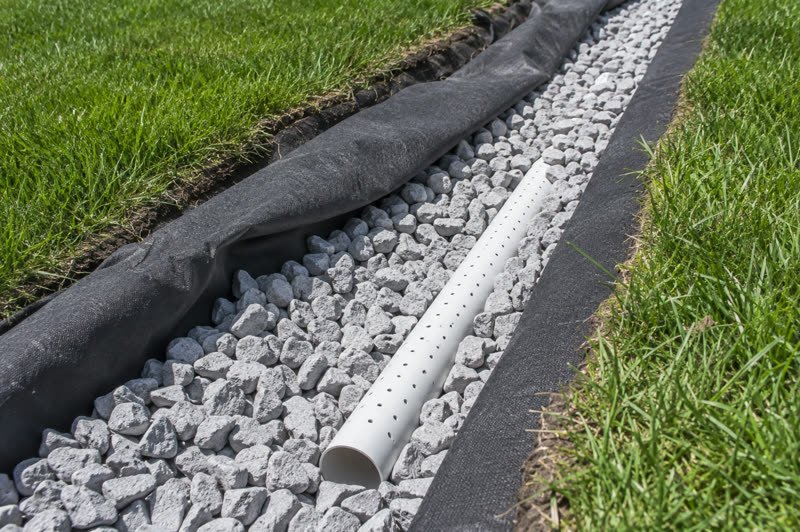
What is a french drain?
How they work, where they fail, and when you need one.
-
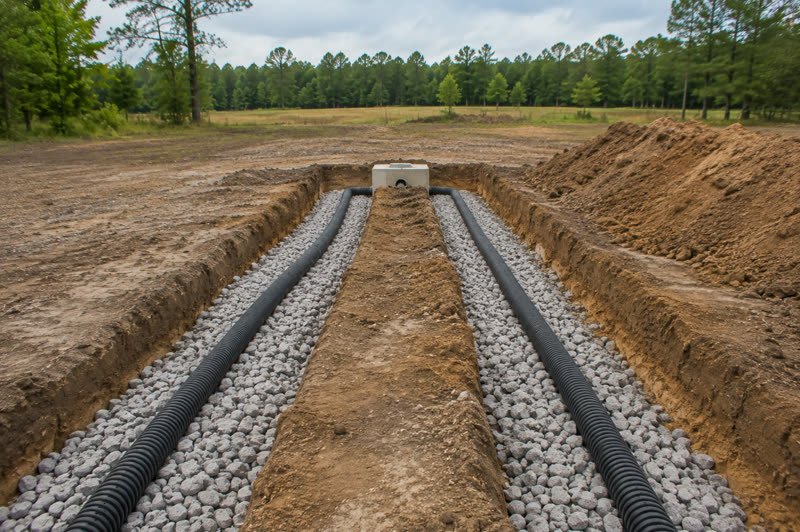
Drain field guide
How the size is calculated, and what the biomat is doing.
-
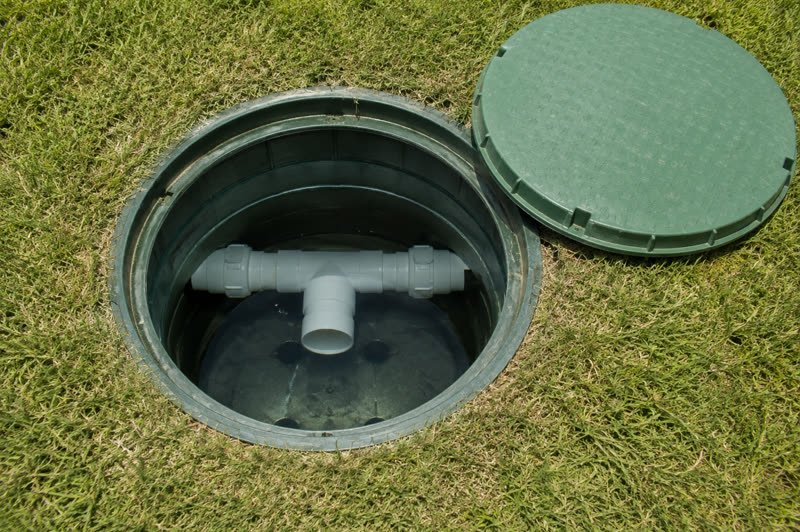
Septic problems and repairs
Why drains gurgle, why it smells, and what can wait.
-
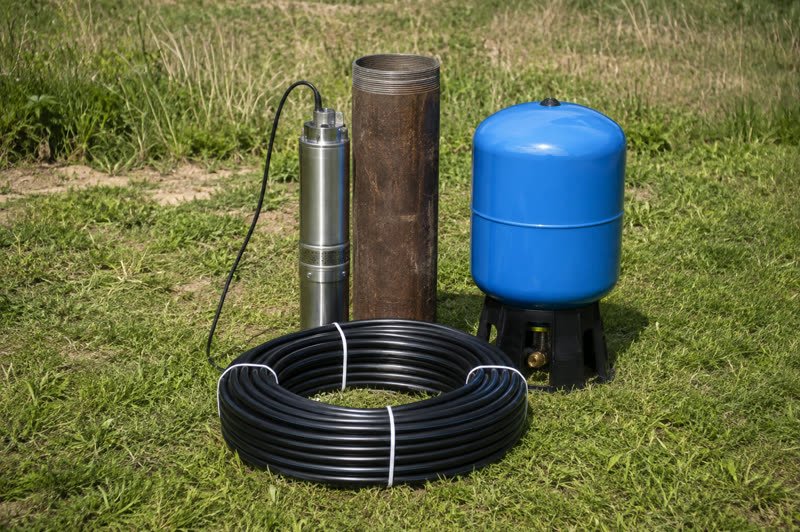
Well pump replacement guide
How jet and submersible pumps work, and what the tank does.
-
Buying raw land checklist
What to check before you close, in order.
-
Best gravel for a driveway
Base, middle and top layers, and what each is called locally.
How these guides are written
Explanations are built from primary sources — EPA guidance, state regulations, county health department rules and university extension research — and the source is named next to the claim rather than buried at the bottom. Where credible sources disagree, we show both rather than averaging them into one confident-sounding number.
Every guide names its author and the editor who checked it, carries a visible review date, and gets re-read when a state rule changes. The full standard is in the editorial policy; the people behind it are on the authors and editors page.
Once you know what you need
Read what the work costs so you can judge a quote, run the calculators against your own acreage or depth, and see what each service actually involves and in what order to buy them.
Frequently asked questions
What should I check before buying rural land?
Four things, in this order, and all of them before you close rather than after. Can it perc? — a lot that fails the soil test turns an $8,000 septic system into a $20,000 one. Is there water? — ask neighbours what depth their wells hit and what they yield. Can you get to it? — legal access and a road a concrete truck can use are different questions. What does the county allow? — setbacks, floodplain overlays and tree ordinances all decide what you can build.
In what order does land preparation happen?
Survey and perc test first, because they decide what is possible at all. Then clearing, then rough grading. Septic and well next, sited where the soil test says they can go. Driveway after the heavy machinery has finished, not before. Drainage last, once you can see where water actually runs. Doing this out of order is how people pay to move the same dirt twice.
Do I need a perc test if I am not building yet?
If there is any chance you will need a septic system, yes, and ideally before you buy. A perc test costs $300 to $1,900 and is the cheapest way to discover that a parcel cannot take a conventional system. Some sellers have a recent test on file — ask, and check the date, because soil conditions and county rules both move.
Are these guides written for a specific state?
The explanations are national. Where a rule is state-specific we say which state and cite the regulation — Texas 30 TAC 285, Florida Chapter 62-6 F.A.C. and so on — because septic and well work is licensed and regulated state by state, and a guide that pretends otherwise will get you the wrong answer at the permit counter.