Most searched
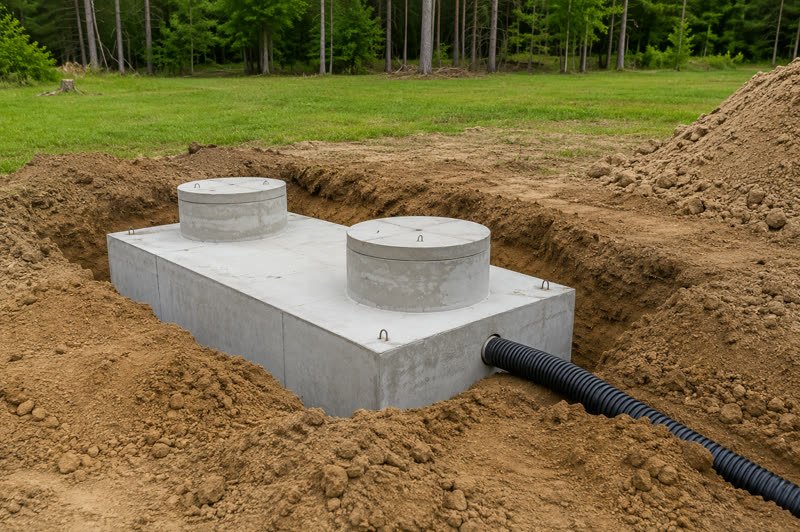
Septic system cost
New installs, replacements, conventional vs aerobic vs mound, by soil type.
$3,591 – $12,463Installed, national range
$8,023National average
20 – 40 yrsTypical system lifespan

Independent cost research
Septic, wells, clearing, grading and driveways — real ranges with the basis behind every number, then quotes from licensed local crews.
Six jobs stand between raw acreage and a house you can build on. Every one of them is priced by the dirt, not by the brochure.
Clearing, grading, septic, water, driveway, drainage. Most cost pages online quote one number for one of them and never say where it came from. We publish the range for all six, name the source behind every figure, and explain what moves it — county permit schedules, state agency records and contractor quotes, not guesswork.
You should be able to tell a fair quote from a padded one before anyone turns up with a clipboard.
Cost guides
Cost guides across all six services, each stating its basis and carrying a review date. They publish in order of how badly people need them — septic first, because it is the biggest bill on most raw lots.
Most searched
New installs, replacements, conventional vs aerobic vs mound, by soil type.
The buyer chain
Land work runs in a sequence. Do it out of order and you pay to move the same dirt twice — grading a pad before the septic is sited is the classic one.
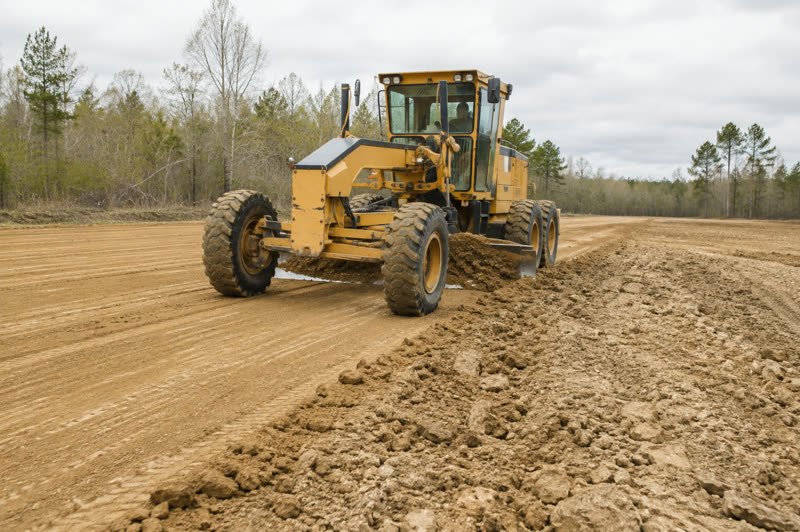
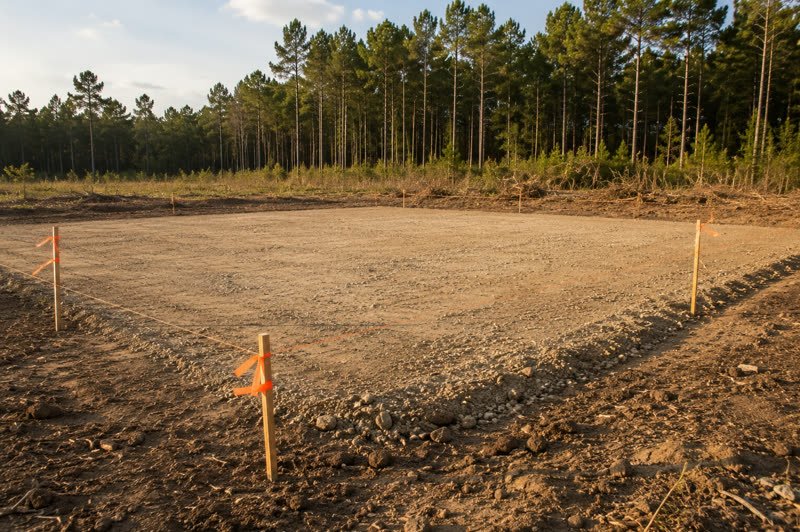
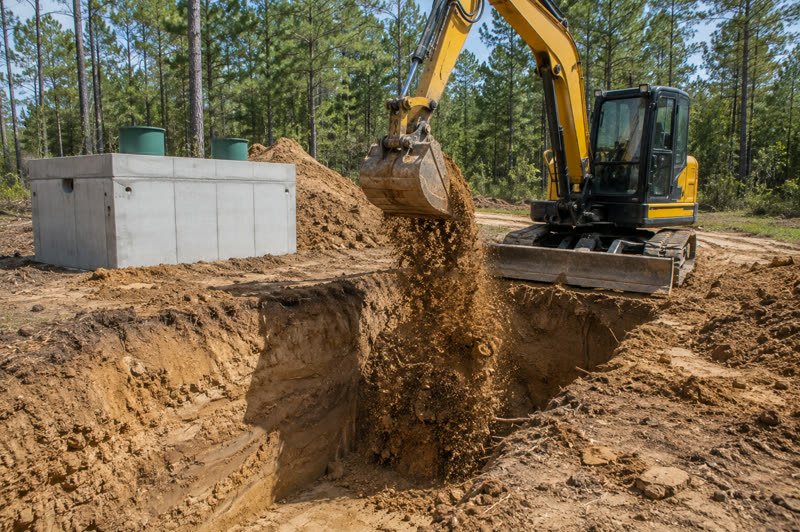
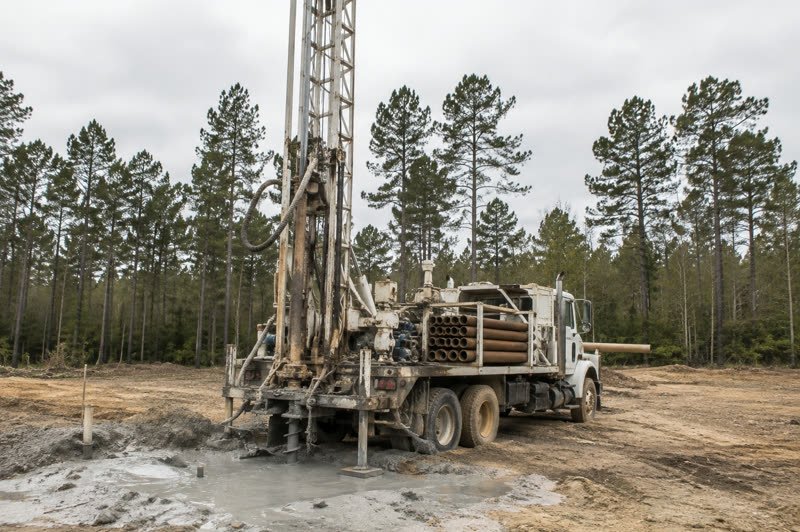
Areas we cover
Wave one is Texas, Florida and North Carolina. Every state and metro below has permit and licensing detail live today; city-by-city cost breakdowns are rolling out through the rest of the year rather than all at once with the city name swapped.
How we work
Anyone can publish a price. The question worth asking is where it came from, and almost nobody answers it.
County permit schedules, state environmental agencies and licensing registries — public records that can be checked. Where we lean on an industry survey, we name it and the year.
No number appears without a source next to it. If we cannot say where a figure came from, it does not get published. That rule has cost us pages.
Where a range is wide we explain what moves it — soil, water table, access, county — instead of averaging the problem away into a number nobody can use.
Cost content goes stale quietly. Every guide carries a review date so you can see how current it is, and we refresh on a schedule rather than when we notice.
Add the pieces up. Clearing runs $500 to $6,000 an acre by how thick the growth is, regrading $0.80 to $2.00 a square foot, a septic system around $8,023, a well $25 to $65 a foot, and a gravel drive $4 to $10 a square foot. Most build-ready acres land somewhere in the tens of thousands — which is why we publish each line separately instead of one useless average.
Clearing, then grading, then septic siting and install, then the well, then the driveway, then drainage. Getting the order wrong is the most expensive mistake on a raw lot — grading a pad before the septic is sited means paying to move the same dirt twice.
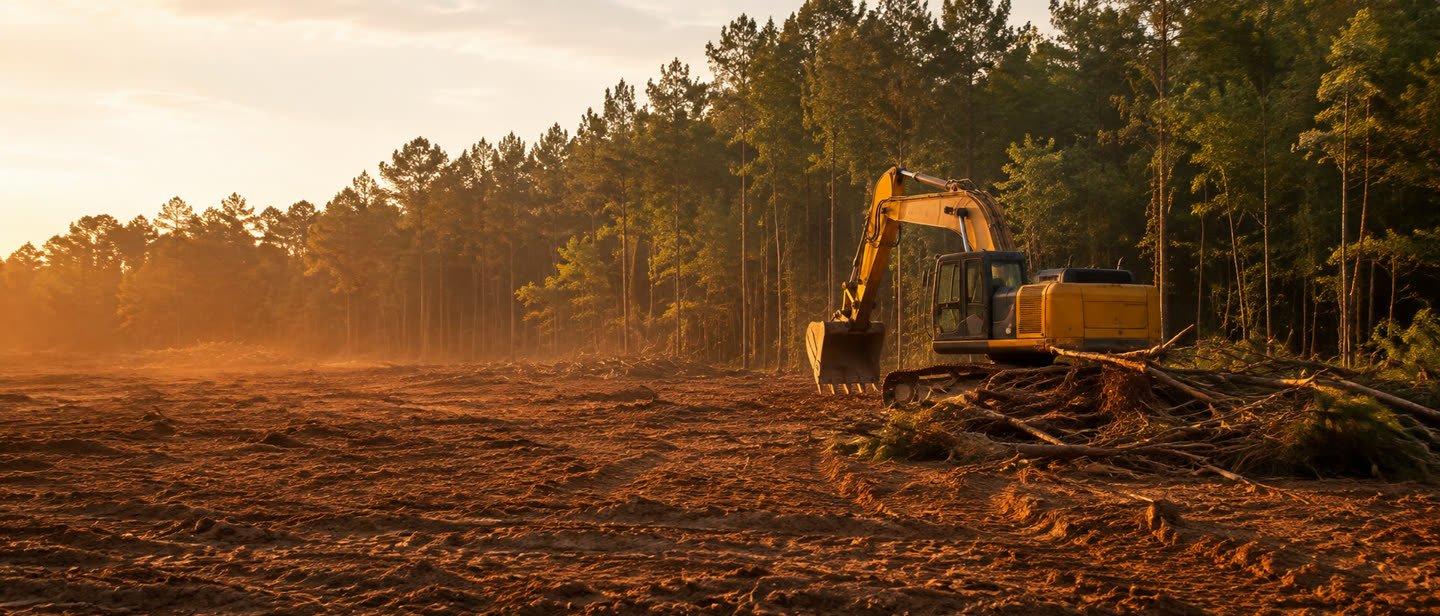
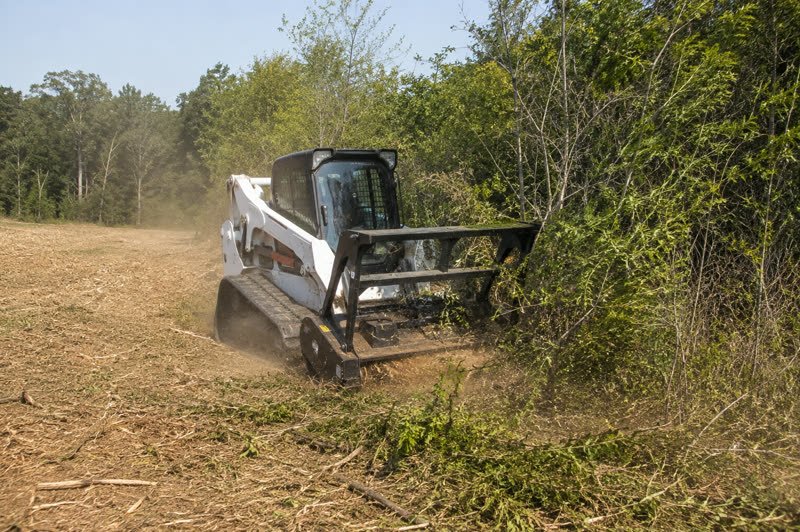
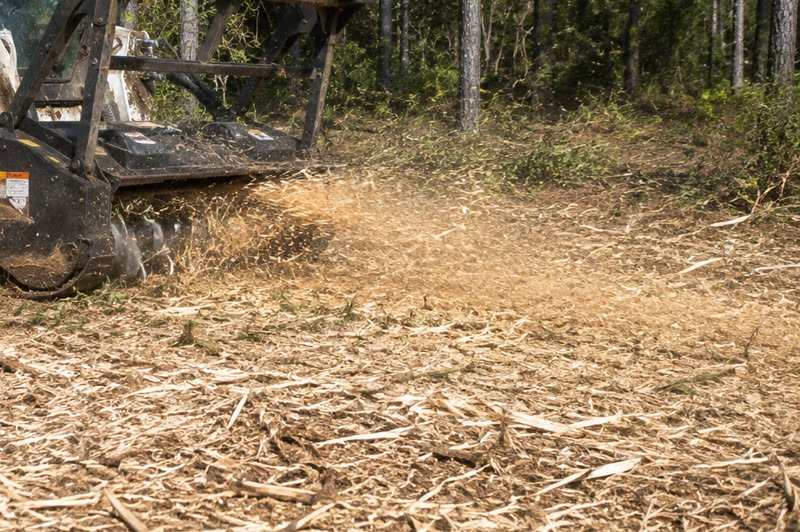
It depends entirely on what is growing on it. Light brush and undergrowth runs $500 to $2,000 an acre. Medium growth with trees under six inches runs $1,500 to $3,500. Heavy timber and dense brush runs $3,000 to $6,000. Forestry mulching, which leaves the material on site as ground cover, averages $400 to $800 an acre and skips haul-off entirely.
Most residential wells run 100 to 300 feet, and drilling is priced by the foot — $25 to $65 nationally, depending on what you are drilling through. Sand is cheapest, granite the most expensive. A complete system with pump and pressure tank averages around $15,750, and drilling alone is usually half to two-thirds of that.
Angi puts the national range at $3,591 to $12,463, averaging $8,023 — and HomeAdvisor lands within $10 of that. Those figures cover the system installed. Add the perc test, permits and site work and most people finish between $10,000 and $25,000. Your soil, not your builder, decides which end you land on.
Almost always your county, not the state. TCEQ says plainly that it "is not often the OSSF permitting authority" in Texas — county septic fees run from about $30 to $710. In Florida, septic permitting is moving from the Department of Health to DEP, which already handles 16 Panhandle counties plus Marion. Wells, clearing and driveway culverts are each permitted separately again.
No. We are a media and referral platform. Every job is performed by licensed local partner contractors, and we link the state license lookup so you can verify anyone before you hire.
Nothing, and there is no signup. Contractors pay to receive job leads. That is the whole business model, and it is written out in full on our disclosure page.
Tell us about the job and we pass it to licensed contractors working in your county. No fee, no signup, and we link the state license lookup so you can check anyone before you hire.